Our Team

Mitchell B. Rotman, MD
Board-Certified Orthopedic Surgeon
Fellowship-Trained in Hand Surgery
Hand and Upper Extremity Care
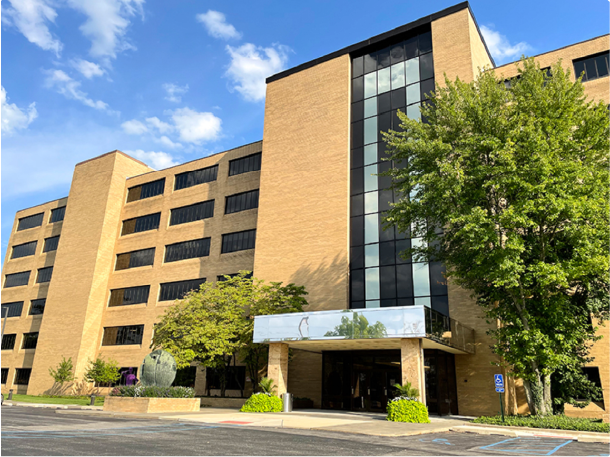
Mitchell B. Rotman, MD is a board-certified orthopedic surgeon and fellowship-trained hand surgeon providing hand and upper extremity care in Creve Coeur, Missouri, in the St. Louis area. He evaluates conditions affecting the hand, wrist, elbow and shoulder, including nerve compression, arthritis, fractures and other upper extremity injuries.
Dr. Rotman's Services
About Dr. Rotman
Mitchell B. Rotman, MD is a board-certified orthopedic surgeon with fellowship training in hand surgery. His clinical and academic background centers on orthopedic hand surgery and upper extremity care, including conditions and injuries affecting the hand, wrist, elbow, shoulder and peripheral nerves.
Dr. Rotman completed his orthopedic surgery residency at Southern Illinois University School of Medicine and his hand surgery fellowship at Washington University School of Medicine in St. Louis. His career has also included academic and leadership roles at Saint Louis University. He served as an associate professor in orthopedic surgery and as director of the combined Orthopedics/Plastics Hand and Upper Extremity Service.
His professional work includes research, publications and presentations related to carpal tunnel syndrome, nerve compression, hand and wrist fractures, arthritis, traumatic upper extremity injuries and reconstructive procedures. His CV includes published work on carpal tunnel anatomy and release, scaphoid conditions, nerve compression and complex orthopedic injuries.
Dr. Rotman is also named on the Scaphoid Targeting Device, developed for percutaneous fixation of scaphoid fractures. His CV reflects decades of involvement in orthopedic education, research and upper extremity care.
Dr. Rotman joined Ortho Missouri in Creve Coeur in 2024.

Education and Training
- Undergraduate: University of Illinois at Champaign-Urbana
- Medical School: University of Illinois College of Medicine, Chicago
- General Surgery Internship: Southern Illinois University School of Medicine
- Orthopedic Surgery Residency: Southern Illinois University School of Medicine
- Hand Surgery Fellowship: Washington University School of Medicine, St. Louis
Organizations
- American Academy of Orthopaedic Surgeons
- American Society for Surgery of the Hand
- St. Louis Orthopedic Society
- Mid-Central States Orthopaedic Society
Areas of Focus
- Hand, wrist, elbow and shoulder conditions
- Nerve compression conditions
- Arthritis and joint conditions
- Upper extremity trauma and reconstruction
When to Consider Orthopedic Evaluation
Pain, numbness, weakness or loss of movement in the hand, wrist, elbow or shoulder can interfere with various everyday tasks. An orthopedic examination may help identify the cause of the symptoms and determine whether nonsurgical care, rehabilitation or surgery may be appropriate.
Common reasons to schedule an evaluation may include:
- Hand, wrist, elbow or shoulder pain that does not improve
- Numbness, tingling, weakness or changes in grip
- Swelling, stiffness or reduced range of motion
- A fracture, dislocation or other upper extremity injury
- Symptoms that make work, exercise or everyday activities more difficult
Frequently Asked Questions About Dr. Rotman’s Hand and Upper Extremity Care
Upper extremity surgery includes procedures used to treat certain injuries and conditions involving the hand, wrist, elbow and shoulder. Not every upper extremity condition requires an operation, and treatment depends on the diagnosis and individual patient.
Pain in the hand, elbow or shoulder may have many causes, including injury, arthritis, overuse, tendon or ligament problems and nerve compression. Because several structures in the upper extremity work together, symptoms may include pain, stiffness, weakness, numbness, tingling or difficulty moving the affected area. An orthopedic evaluation may help determine the source of symptoms and whether imaging or other testing is appropriate.
Hand surgeons treat injuries and conditions involving the hand and wrist, and some have additional training and experience in broader upper extremity care. Conditions may include carpal tunnel syndrome, arthritis, fractures, tendon injuries, nerve compression and traumatic or reconstructive concerns.
Shoulder replacement may be considered when significant joint damage causes persistent pain, stiffness or loss of movement that has not improved with nonsurgical treatment. Conditions that may lead a doctor to discuss shoulder replacement include advanced arthritis, certain severe fractures or some rotator cuff-related joint problems. Whether joint replacement is appropriate depends on the cause and extent of damage, symptoms, health history and response to previous treatment.
Recovery after elbow surgery varies widely based on the procedure performed, the condition being treated and the patient’s individual healing and rehabilitation needs. Incisions generally need at least several weeks to heal. Regaining strength, flexibility and normal use of the elbow may take longer, and physical therapy may continue for several months or, for some procedures, longer. Your surgeon can provide a recovery timeline based on the specific procedure and your progress.